Programs and Projects

Programs & Projects

Bilingual Storytelling

NSL and English stories that make language learning visual and engaging.

Parent Education

Webinars, workshops, and resources for families.

Professional Training

Training for educators and professionals in Deaf education.

School Outreach & Advocacy

Community awareness and inclusive education programs.

Consultation

Personalized guidance for families and institutions.

For Families

Parents & Family Resources

Everything you need to create a language-rich environment and support your Deaf child from the earliest years.
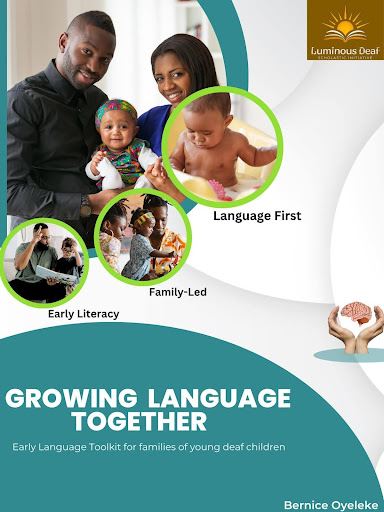
Family supporting a Deaf child

Beginner NSL Learning Support

Step-by-step guidance to help parents and caregivers begin learning Nigerian Sign Language alongside their child. Early signing builds connection, communication, and confidence at home.

Creating Language-Rich Home Environments

Practical tips on how to weave language into everyday routines — mealtimes, play, bedtime stories — so your Deaf child is surrounded by meaningful communication throughout the day.

Early Language Milestones

Understand what language development looks like for Deaf children — in sign and in spoken or written language — so you can track progress, celebrate growth, and know when to seek support.

Parent Webinars

Join live and recorded sessions on topics like early language acquisition, navigating the education system, understanding hearing technology, and advocating for your child's rights.

Storybooks & Downloadable Resources

Access bilingual NSL and English storybooks, activity sheets, visual vocabulary cards, and printable guides designed to make language learning engaging and accessible at home.
Frequently Asked Questions

Common questions from families of Deaf children — answered clearly and honestly.

As early as possible — ideally from birth or from the moment you learn your child is Deaf. Early language exposure is critical during the first three years when the brain is most receptive to language.
Yes. Research shows that learning a sign language does not interfere with spoken or written language development — it supports it. A bilingual approach gives your child access to two languages and two communities.
No — fluency comes with time. What matters most is your willingness to learn alongside your child. Even basic signs used consistently make a significant difference. LUDESI's parent resources are designed for beginners.
Learn your child's rights under Nigerian law and the UNCRPD. Request an interpreter or visual support, ask about inclusive education options, and stay actively involved. LUDESI's School Outreach & Advocacy program can connect you with guidance.
Scholarship

Research

Our research is led by specialists in Deaf education, early childhood language acquisition, and bilingual literacy.

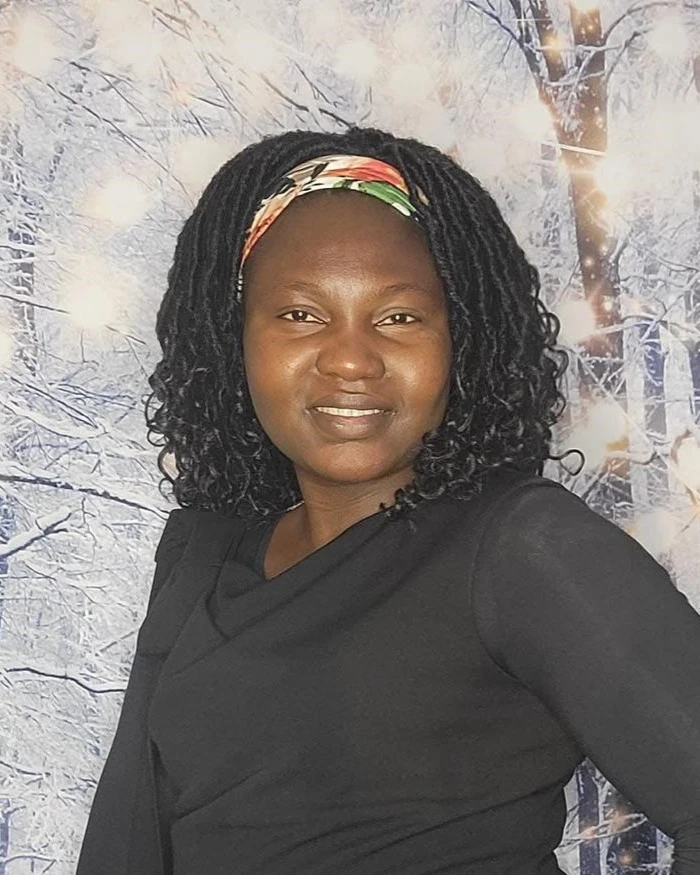
Dr. Bernice Oyeleke

Dr. Bernice Oyeleke

Principal Researcher

Specialist in Deaf education and early language intervention. Rebecca H. Rhodes Prize recipient, 2025.

Grants & Awards

Grant

Gallaudet University Internal Seed Fund for Graduate Students

Seed funding awarded in support of early-stage Deaf education research.

Prize

Rebecca H. Rhodes African Inclusive Literacy Research Prize

Awarded by ADEA in recognition of outstanding research in African inclusive literacy.

View announcement →

Publications

Journal Article

Home Language Environment of Young Deaf Children in Nigeria: An Interpretative Phenomenological Analysis

Oyeleke, B. — Examines home language environments of young Deaf children in Nigeria, exploring family communication practices and their implications for early language and literacy development.

View on Google Scholar →

Dissertation

Parents' Beliefs About Bilingual Exposure of Young Deaf Children to Nigerian Sign Language and Spoken Languages: An Examination of Parental Perspective on Bilingual/Multilingual Language Development of Young Deaf Children Within Nigerian Context

Adekeye, B. A. — An examination of parental perspectives on bilingual and multilingual language development of young Deaf children within the Nigerian context.

View on ProQuest →

Be a Volunteer

Join us in making a difference for Deaf children and their families in Nigeria. Fill out our volunteer form and we'll be in touch.

Volunteer Now